Branding3 min read
Why Brand Identity Matters More Than Just Having a Logo
A logo is one piece of a brand. Colour, typography, tone and consistency are what make a small business recognisable and trusted across every channel.
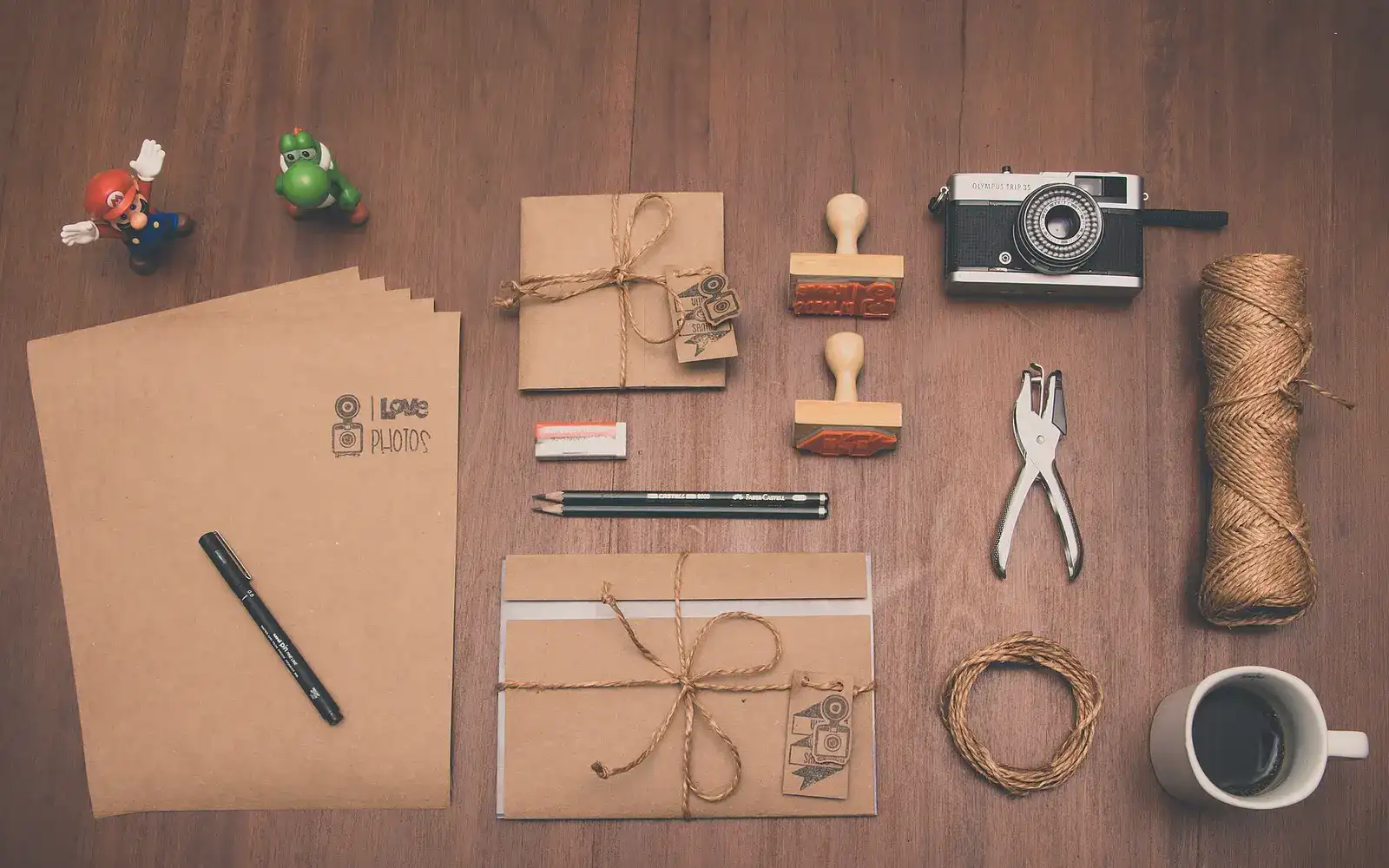
When a new business owner says they need a brand, they often mean they need a logo. A logo matters, but it is only the most visible part of something larger. Brand identity is the combination of everything customers see, read and experience that tells them who you are and whether to trust you.
What brand identity includes
A practical identity for a small business usually covers several connected parts, each supporting the others.
- Logo and variations: a primary mark plus simpler versions for small spaces, such as a social media profile.
- Colour palette: a small, deliberate set of colours used consistently.
- Typography: one or two typefaces chosen for readability and personality.
- Imagery style: the kind of photography or illustration that feels like you.
- Voice: how you write, whether warm and plain or formal and precise.
Why consistency builds trust
People rarely notice a consistent brand, but they often sense an inconsistent one. If your invoice, website, van and social profiles all look unrelated, you appear less established than you may be. Repeated, recognisable details help customers remember you and choose you again. This is especially valuable for local businesses that compete on reputation and referrals.
Start with who you are
Good identity design begins with questions rather than colours. Who do you serve? What do you do better or differently? How do you want customers to feel after dealing with you? A bakery that wants to feel warm and neighbourly needs a different look from a cybersecurity consultant who wants to feel precise and dependable. The visuals should express a clear position, not just follow current trends.
Think about where it will appear
Before approving a design, picture it on your website, a business card, a shop sign, an email signature and a small social media avatar. A logo that only works at large sizes or in full colour will cause problems later. Ask for versions suited to light and dark backgrounds, and for the file formats you will actually need.
A practical starting checklist
If you are not ready for a full identity project, you can still tidy what you have:
- Pick two or three brand colours and write down their exact codes.
- Choose one heading font and one body font, and use them everywhere.
- Save your logo in versions for light backgrounds, dark backgrounds and small spaces.
- Write three words that describe how you want to sound, such as direct, warm and practical.
- Replace anything that does not match, starting with the website and social profiles.
This will not replace a designed identity, but it prevents the drift that makes a business look inconsistent over time.
Write it down
Brand guidelines can be short. A few pages that record your colours, fonts, logo rules and tone of voice help anyone who works with you, from a printer to a new team member, keep things consistent. They also protect your investment as the business grows.
Protect what you create
If your name or logo matters to your business, it is worth understanding trademark basics. The Canadian Intellectual Property Office explains how trademarks work in Canada. A quick search to check that your chosen name is not already in use by someone similar can prevent expensive trouble later, and a lawyer can advise on specifics.
Accessibility is part of good design
Colours should have enough contrast for people to read your text comfortably, and your website should not rely on colour alone to convey meaning. The W3C's Web Accessibility Initiative explains these principles in plain language and is a helpful reference when choosing a palette.
How we can help
A business that looks different on every surface is harder to remember and harder to trust. We can help you create or refresh a consistent identity, from first logo sketches to a usable set of brand guidelines. Our Branding & Logo Design service works with businesses in Mississauga, Toronto and the GTA. A consistent identity also helps your social media feel cohesive.
Sources and further reading
Talk it through
Ready to refresh how your business looks?
We can help you assess your current identity and build a consistent one across your logo, colours and materials.
Keep reading
Social Media
How Small Businesses Can Build an Effective Social Media Strategy
A sustainable social media plan starts with one clear goal, two or three content themes and a realistic posting rhythm, not with trying to be everywhere.
Websites
Why Your Website Gets Visitors but Few Enquiries
If people visit but rarely get in touch, the cause is usually one of five specific problems. Here is how to find which one is costing you enquiries.